The rise of self-publishing

The advent of epublishing platforms and the ability for authors to self-publish their work without going through traditional publishing avenues has opened up a whole realm of new possibilities. The success of authors such as Amanda Hocking make it clear that this route is one that has the potential to deliver substantial returns – even the hugely successful Fifty Shades of Grey started life as online fan fiction.

There are now hundreds of thousands of free ebooks available on Amazon’s Kindle store, and according to a recent survey by Bowker Market Research’s Book and Consumers UK survey, self-published books accounted for around 11% of all ebooks purchased by UK consumers in the first half of 2012. But with so many authors choosing to go down this route, what does it take for a book to stand out from the crowd? And how much difference does the lack of input from professional editors, readers and designers really make?
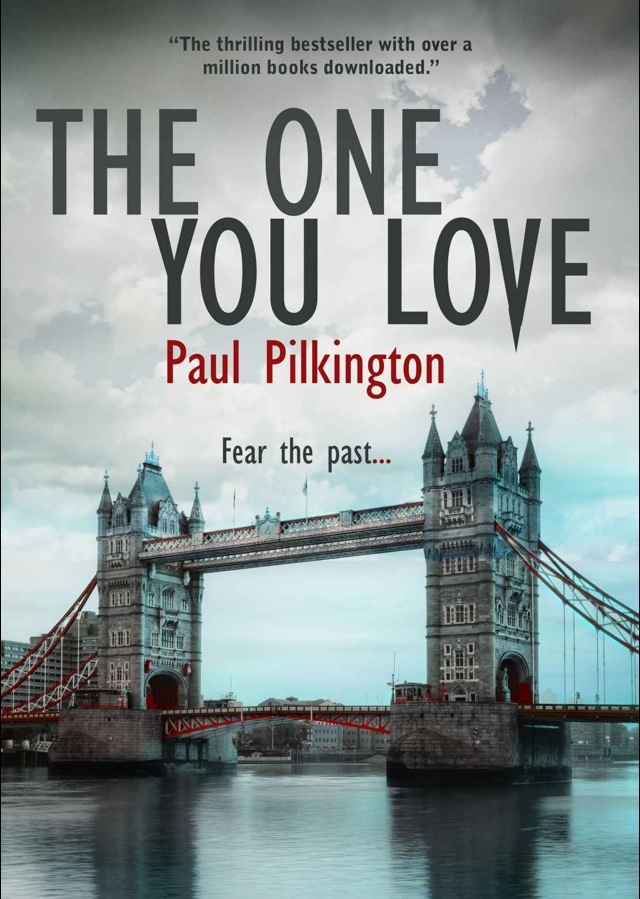
Paul PilkingtonTo see for myself, I recently read a book by Paul Pilkington, an independently published suspense mystery writer. Paul’s first novel, The One You Love, was made available on the Kindle store in July 2011 (see here). As of 30th January 2013, the book is number one on Amazon’s free download chart and has generated over 800 reviews on the site, many of them positive.

The One You Love revolves around Emma Holden, who comes with a troubled past and emotional baggage to boot. Two weeks before her wedding, her finance, Dan, has disappeared leaving a trail of suspicion and lies in his wake. Fast paced and action packed, this book raced along to a dramatic conclusion with plenty of twists and cliff-hangers along the way. It was interesting, well thought out and I didn’t have a clue who was behind the chain of increasingly mysterious events until the very end!

I do, however, have a few criticisms. There were a lot of central characters and I think one or two could have been cut back to minor parts without taking too much away from the story. While these characters were useful in illustrating potential avenues for the plot, the central thread of the story could have been more cohesive.

This book was all about the action, which I liked, but I would have preferred to have a bit more of a back story on the characters and their relationships with each other. In particular, Emma’s relationships with the men in the book were not examined in great detail and the reader is left to take things entirely at face value. There were also a couple of loose ends that I felt could have done with being tied up.

There’s no doubt that I enjoyed The One You Love – I read it in its entirety in just one sitting. However, the input of a publishing house would probably have helped to iron out the issues highlighted above and to turn a reasonably good book into a great one. Since it’s release, this book has been hovering steadily at the top of the download charts, but put it – in its current form – into the paid category at the same price point as books like Gillian Flynn’s Gone Girl, and I don’t think it would perform anywhere near as well.

Having said that, the success of ebooks like this just goes to show that if people have a story to tell, they should put themselves out there and tell it. Self-publishing has real potential to give authors an opportunity to break into the industry and I’ll definitely be looking to read more independently published ebooks in the future.
From page to screen

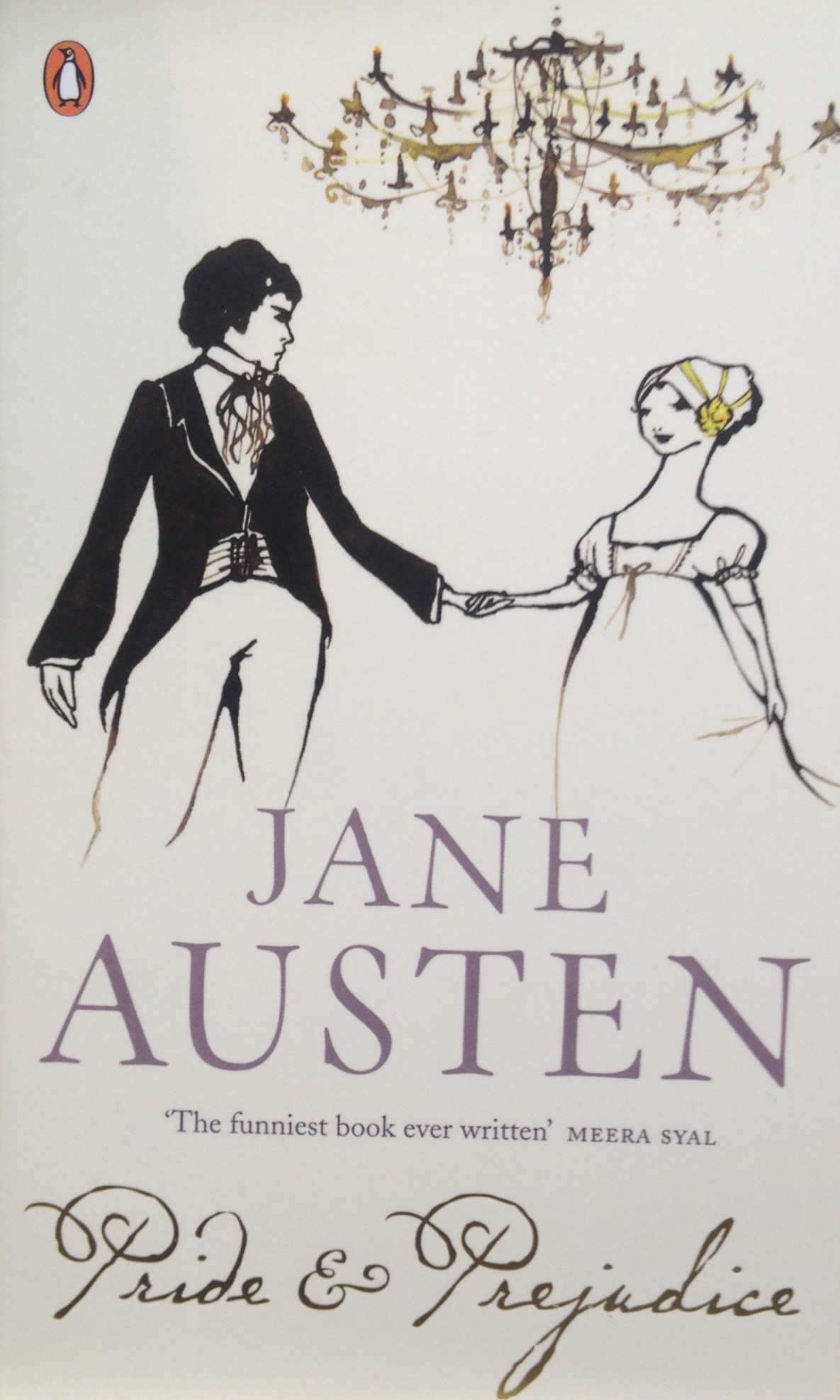
Pride and PrejudiceAll book lovers, everywhere, will have experienced on at least one occasion the immense frustration of watching a TV or big screen adaptation of a classic novel fail to do justice to the original.

But sometimes, one such adaption comes along that well and truly bucks the trend. Today marks the 200th anniversary of Jane Austen’s Pride and Prejudice, a novel that has enjoyed enduring popularity and continues to inspire countless adaptations on screen.

The majority of the time, I would fall firmly on the ‘books are best’ side. However, sometimes TV adaptations can prove particularly effective in making classic literature a bit more accessible and slightly less daunting. I know first-hand that having to study literature at school can sometimes have an adverse effect, probably from having to analyze novels rather than just being able to sit and enjoy them. As a result, I’ve got a shelf of novels that I always think I should read – The Moonstone, Middlemarch, and North and South just to name a few – but that always somehow seem to get passed over in favour of modern fiction.

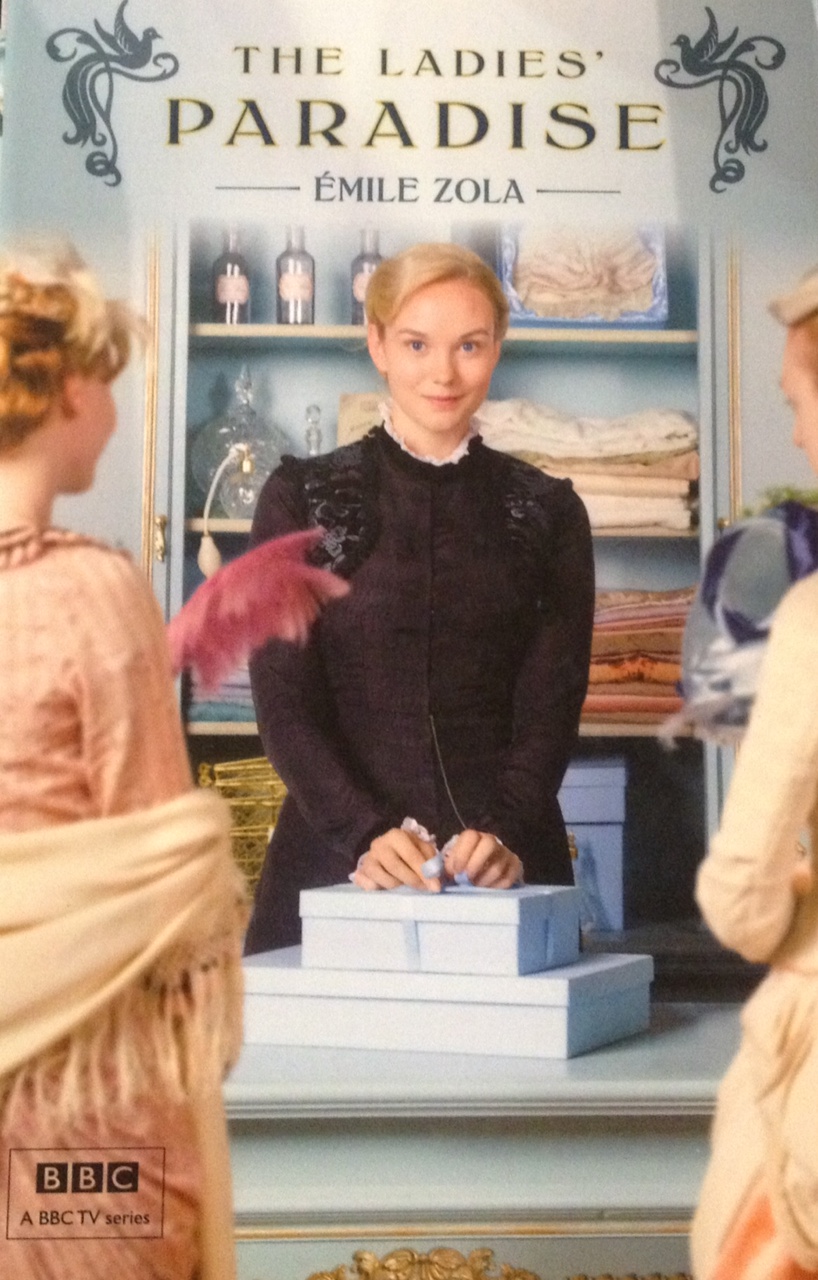
TV and film adaptations take classic novels from the schoolroom desk to the living room sofa, The Paradiseand maybe after watching an adaptation or two some people might be inspired to go and read a classic for themselves?

A recent Radio Times poll (here) voted the BBC’s 1995 TV mini-series was voted the best ever adaption of Jane Austen’s classic novel, which is probably down to the now infamous lake scene involving Colin Firth’s Mr Darcy! But it’s not only Austen that translated well from page to screen. From The Paradise, based on Emile Zola’s Au Bonheur des Dames, to Brideshead Revisited and the BBC’s Sherlock, it’s clear that literary dramas are here to stay

Everyone’s got a favourite adaption – so if there are any good ones you’d recommend, let me know!

The Unlikely Pilgrimage of Harold Fry by Rachel Joyce

The concept behind Rachel Joyce’s The Unlikely Pilgrimage of Harold Fry is beautifully simple, yet at the same time it’s a book that is packed with emotion, self-doubt and heartache that’s sure to hit a nerve with every reader.

It begins when Harold Fry receives a letter from an old colleague and friend informing him that she has been diagnosed with terminal cancer. What starts as a trip to the nearest post-box to send a letter expressing his condolences turns into an epic journey across the country. Without a map, a change of clothes or a mobile phone Harold’s walk is dependent completely on his instincts, the kindness of strangers and the strength of his belief in the fact that if he keeps on walking, Queenie will keep on living.

Harold’s walk seems so simple on the outside. As he describes it, it’s just putting one foot in front of the other. But as he attempts to walks from Cornwall to Berwick-upon-Tweed, Harold is forced to confront the tragedies of his past, his estrangement from his wife and growing detachment from the world.

Left behind, his wife Maureen is also battling her own demons as she struggles with feelings of repressed loss and anger. Harold’s walk and the space left by his absence, prompts her own personal journey.

The bit I loved most about this book was how the two central characters somehow, against the backdrop of everything that’s happened in their lives, managed to find a way to rediscover their love for each other.  It’s an intense and emotional read and it really drives home the fact that it’s never too late to change.

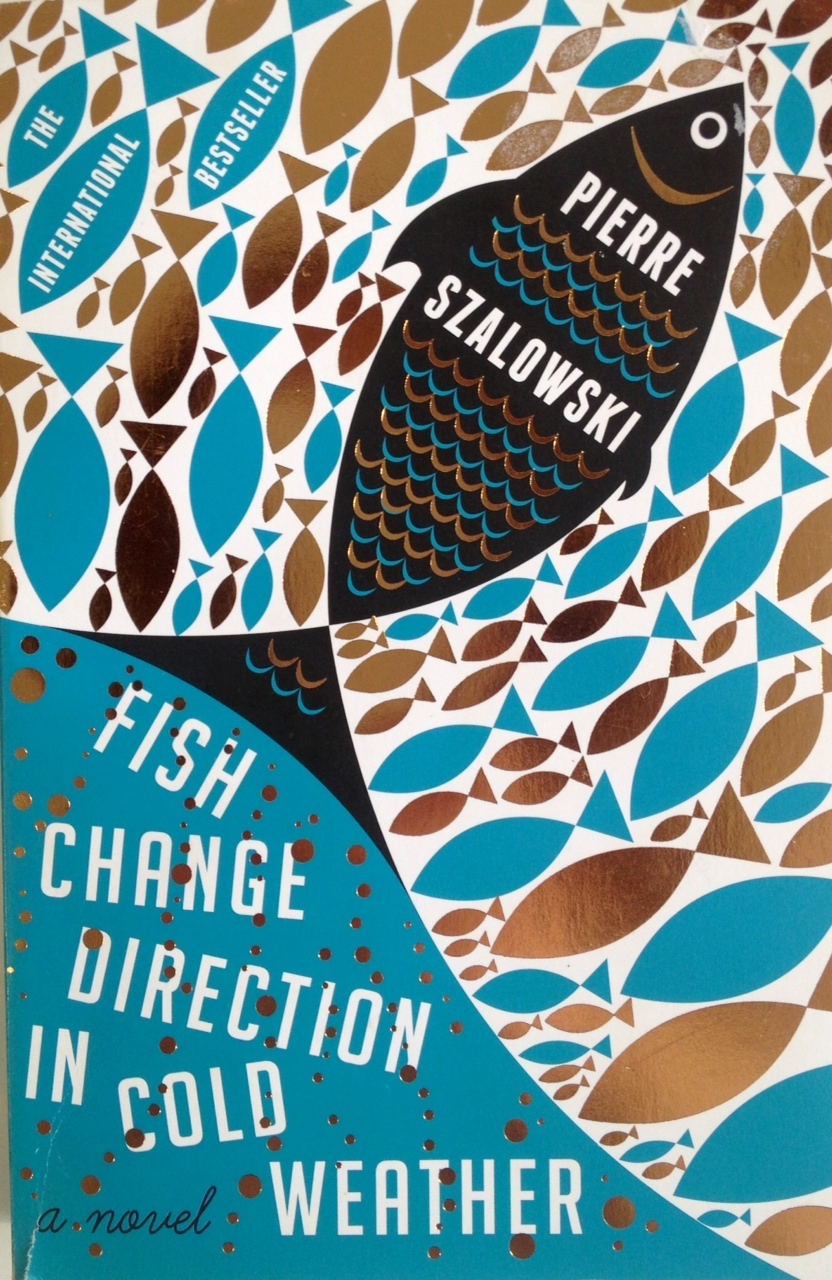
Review of Pierre Szalowski’s Fish Change Direction in Cold Weather

More of a delightful fairytale than a novel, Pierre Szalowski’s Fish Change Direction in Cold Weather (or FCDICW from here on out – it’s bit of a mouthful!) delivered a real feel good factor.

Fish change directionI recently wrote about my bad habits when it came to judging a book by its cover (the link to this article is here), and I have to admit that this was one such case. So when I opened the book and started to read I was crossing my fingers that it would live up to expectations. I have to say, it didn’t disappoint.

FCDICW focuses on a group of neighbours in a street in Montreal whose lives and relationships are changed irrevocably after a freak ice storm forces them together in more ways than one. I won’t say any more for fear of giving away spoilers, but from the very first page it’s obvious that this book is going to be one with a happy ending.

At just under 250 pages, it’s a relatively quick read and the characters admittedly aren’t developed in too much depth. However, for me, this really added to the general feeling created by the book that I was observing the characters from a distance or peeking in on their lives through an icy window. This emotional distance from the central protagonists (we never even find out the name of the narrator) works well with the structure and tone of the book, however, it meant for me that FCDICW probably won’t make it into my list of all-time greats.

Despite this, I did really enjoy reading it. I’ll be keeping it on my bookshelf to lend to others if they need a quick pick me up, and I think it’s probably one I’ll re-read again in the future. It’s a perfect choice for cold, dark winter nights when you want to feel cosy and comforted, inside and out!

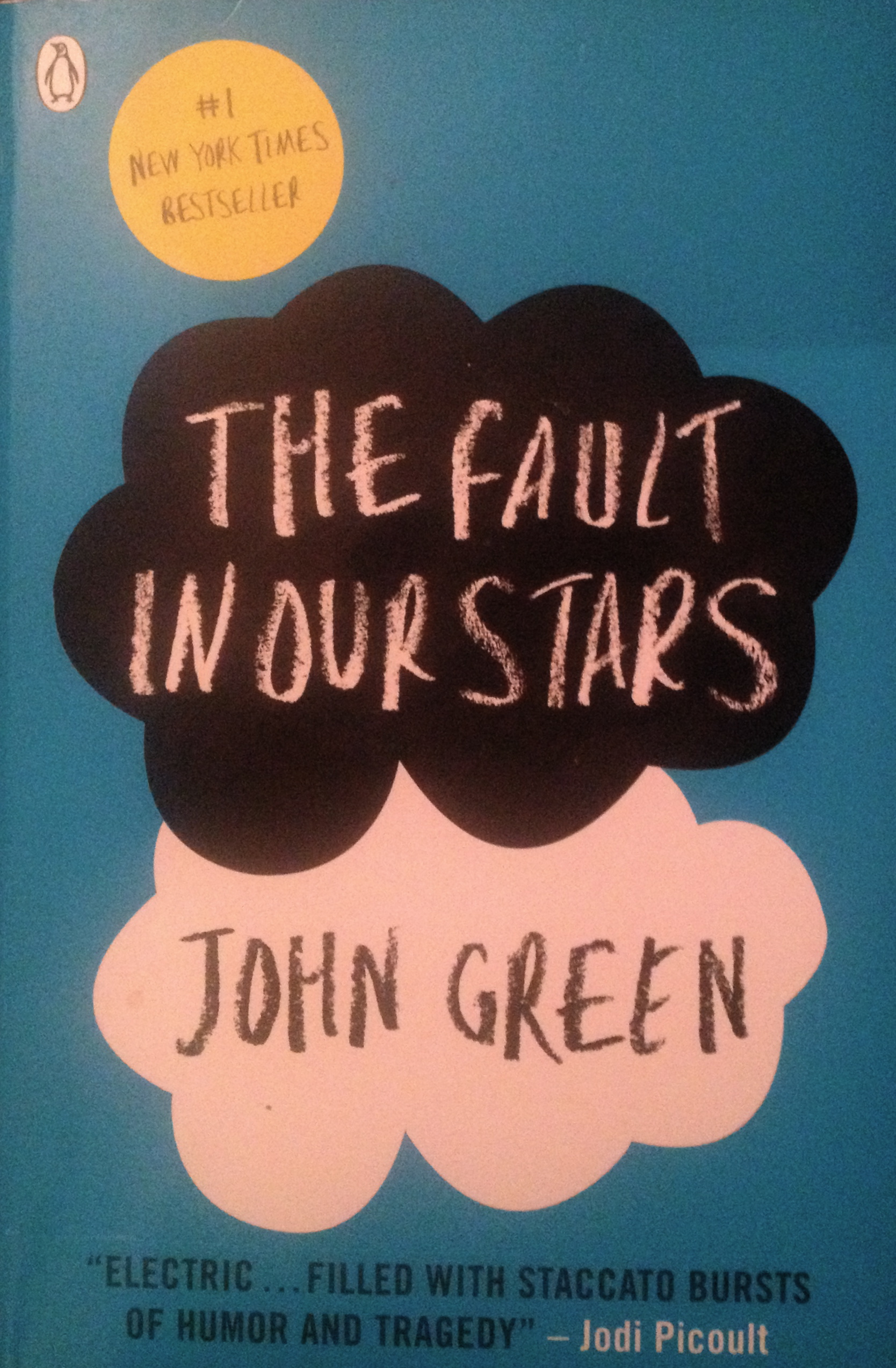
A review of John Green’s The Fault in Our Stars

It’s been a while since a book made me laugh and cry to such an extent as John Green’s The Fault in Our Stars. Usually, I find books dealing with illness a bit off-putting and frankly a little depressing. However, The Fault in Our Stars managed to tackle the topic in a way that was fresh, funny and yes, incredibly touching.

Narrated by 16-year-old terminal cancer patient Hazel, the novel is a classic boy meets girl structure with a twist. The reader experiences falling in love for the first time through the narrator’s eyes. Hazel’s story is a very real account of living with a terminal illness and the author certainly doesn’t shy away from controversial or potentially upsetting topics.

I literally couldn’t put this book down. I finished it in two sittings, and it’s worth mentioning that the only reason it wasn’t just the one is because I had to go to work. For me, the most emotional part of this book wasn’t the love story between the two star crossed lovers embodied by Hazel and Augustus, it was the way that Hazel and her parents deal with her terminal diagnosis.

I cried, I laughed out loud and I was so engrossed that by the end, the characters felt real to me. The Fault in Our Stars has already attracted great reviews from critics and I’m 100% there with them. I’d definitely recommend it.

Judging a book by its cover

The saying goes that you should never judge a book by its cover. However, in my experience, a book’s cover can reveal a lot about its contents and can be instrumental in its success.

It’s been reported that on average, it takes us only seven seconds to subconsciously judge a new acquaintance. Which leads to the question, why should it prove anything different with books?

I for one confess to doing this on a regular basis. If a book doesn’t feel right when I pick it up, the style of text doesn’t appeal or the image doesn’t draw me in, I’m immediately prejudiced against it. In fact, there’s a whole shelf of unread books from my to-be-read list sitting on my bookshelf that I continue to pass over for others.

It’s not just me that feels this way. Take Charlotte Rogan’s The Lifeboat for example. Read the reviews and it’s clear that bloggers and critics everywhere have very different opinions of this novel, but one thing that’s generally agreed upon is that the cover is truly lovely. Some even state it as their reason for buying the book in the first place.

The thick matt finish and the raised embossed print create a tactile finish to the book and distinguish it from its competitors on the shelf. The author and title are clearly displayed and the dark, stormy cover image visibly hints at the subject matter addressed within its pages. The blurb effectively summarises the plot and provide a degree of intrigue, as do the testimonials from respected industry critics and authors.

There’s no way around it. The cover of a book is the first thing we see and in my experience as a reader, a good design can be a massive influence on a reader’s initial reaction to a book. In a world that’s increasingly moving towards the Internet, e-readers and the such like, this is arguably more important than ever. Anyone can download a book from the Kindle store, but if a cover is beautiful and interesting then – just maybe – more people will invest into a physical copy.

But although a good cover design is important, it’s what’s inside that counts the most. A great story that generates great reviews and a good social media buzz is always going to do well!

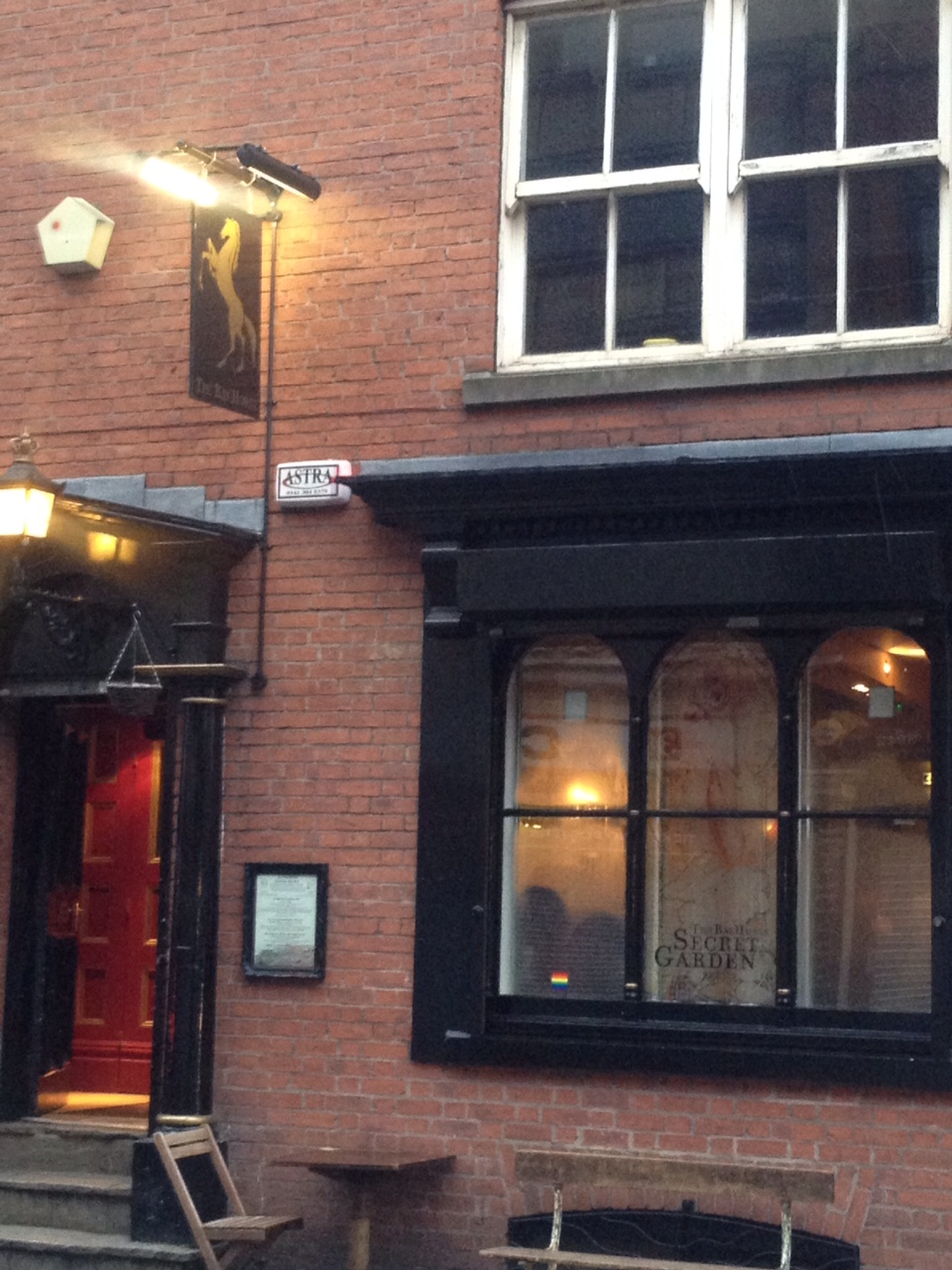
Review of The Bay Horse, Manchester NQ

Ever the explorers, we originally set out to find somewhere to go for lunch that we’d never been to before. Manchester’s Northern Quarter can always be counted on to offer something new, different and quirky so when we came across The Bay Horse on Thomas Street we thought we’d give it a try.

Having been to the venue in the evening before for drinks, we were already familiar with the cosy and contemporary decor, which sees a mix of leather seats, printed fabric sofas and paintings. My only criticism would be that it was quite cold inside – I kept my coat on for most of the meal. It was also very quiet when we arrived, although it did start to fill up a little later on.

The music was an eclectic mix of old school rock, and who doesn’t love a bit of the Rolling Stones and David Bowie?!

The menu was on the small side, although it would probably be described as ‘streamlined’. We started with the Smorgasboard, a selection of bites to share served on caraway, fennel and sesame seed knackerbrod crispbread. There was a wide selections of tasty toppings on offer at £4.50 for 4 and we went for the smoked salmon and capers, chilli and lime mackerel, goats cheese and cucumber and pesto and caramelised red onion (the best one by far!). Good food, but bearing in mind that we were the only ones in the restaurant ordering food, the service was quite slow.

Moving on to mains, the Knackerbrod pizza on a caraway fennel and sesame seed pizza base with smoked salmon, ricotta, beetroot and spinach topping was truly lovely. The beetroot added a slightly acidic tang and took away from the sweetness of the ricotta, which I have to admit there was slightly too much of. It was a bit of an NQ bargain at just £6 and was really filling. However, it was served on an extremely wobbly rotating board. I can see why this might have been a good idea if sharing, but for me it just made it much harder to cut and eat!

As we visited on a Sunday, we also had the roast beef, complete with all the trimmings (£7.95). The beef was perfectly cooked, pink and juicy, but the accompanying veg lacked a little lustre.

All in all it’s definitely worth going. The food was a different and made a nice change to other venues in the area and the staff were excellent and really friendly. More info on The Bay Horse can be found here.

Imperial War Museum North

After living in Manchester for almost six years, last weekend I finally got around to visiting one of the city’s most established and impressive tourist attractions – the Imperial War Museum North. Located near Salford Quays, opposite the newly developed MediaCityUk development, the most immediately striking feature of the museum is its stunning architecture.

Designed by award winning architect Daniel Libeskind, the three main shards of the building are imagined to be the remnants of an imagined globe shattered by conflict, represent the elements of air, earth and water. Each shard serves a different functional purpose, with earth housing the main exhibition spaces, air leading up to the viewing area and observatory platform and finally water holding the main cafe.

The museum is easily accessible by tram from Manchester city centre and is free to enter, although it’s run as a charity so we made sure to buy a museum guide and left a donation to help maintain the exhibits.

Once inside, the main space that houses the permanent exhibitions is large and excellently laid out, with a chronological display and timeline feature running around the gallery’s 200 metre perimeter to guide visitors through a complete history of conflict from the First World War to present day. As well as larger artefacts such as fighter jets, sea mines and the like, the exhibition is brought to life by the many effects, including diaries, photographs, letters and records, that came together to reveal a very personal experience of war. There’s something about knowing who a particular uniform belonged to or learning about events through the eyes of the very people that experienced them first hand that gives the IWMN a really personal touch and through reading their individual stories I felt a real connection to the past.

There are also hourly audiovisual shows, projected onto the main exhibition space, which bring together recollections of war shown with video and photographic material from a variety of conflict from around the globe spanning the past century.That we saw three of these shows gives some indication of how long we were in there for!

At the moment, there’s also a special ‘Saving Lives’ exhibition on that is definitely worth a visit. Examining all aspects of medical care on the front line, from the trenches of the First World War to present-day Afghanistan, the exhibition by its own description ‘looks at the physical and emotional impact on individuals in fighting wars and the wider consequences for society’. As part of this, it explores the development of modern medicine through a variety of media including personal interviews with medics, soldiers and volunteers.

I’m definitely glad we went and would recommend anyone in Manchester, whether it’s just for flying visit or if, like me, you actually live in Manchester and have never been, to give it a go!

More information on the IWMN, it’s exhibits and how to find it can be found here.

A review of Half of a Yellow Sun by Chimamanda Ngozi Adichie

Chimamanda Ngozi Adichie’s ‘Half of a Yellow Sun’

Set in 1960’s Nigeria, Chimamanda Ngozi Adichie’s Half of a Yellow Sun gives a heartbreaking and moving account of civil war from the points of view of a group of people experiencing conflict in a very different ways.

The reader experiences the Nigerian Civil War through the eyes of Olanna, a privileged and educated young woman, Ugwu, a houseboy for a university, and Richard, a white Englishman living in Nigeria. The lives of these three central characters, each of whom effectively represent different social, economic and ethnic groups, are intrinsically linked, although the horrors of war will tear them apart and test their loyalties to the limits

Before reading Half of a Yellow Sun, I have to admit I knew very little about Nigerian history and culture. I actually took a break after the first few chapters to research the country as well as its languages and its politics. This massively increased my understanding and made it much easier to concentrate on the main plot.

I’m only ashamed that I knew so little about the conflict in the first place!

The novel doesn’t shirk on details or shy back from difficult or controversial topics. The thread of the story that follows Ugwu in particular was one that I found actually quite hard to read. That said, I was utterly gripped from page one. I really empathized with all the characters and couldn’t stop imagining how I would react if I found myself in a similar situation.

The author writes beautifully and communicates strong, recognizable and very real emotions through simple and seemingly effortless prose. I haven’t read any other books by Chimamanda Ngozi Adichie but I definitely will in the future, and I wouldn’t hesitate to whole-heartedly recommend Half of a Yellow Sun to anyone.

A review of ‘The Night Circus’ by Erin Morgenstern

Erin Morgenstern’s The Night Circus

Sometimes when you pick up a book you just know that you’re not going to be able to put it down. Erin Morgenstern’s The Night Circus was one such book for me.


Essentially, the novel tells the story of two competing magicians and their protégé’s Celia and Marco. Against the backdrop of Le Cirque des Reves (The Circus of Dreams) these two trainees are pitted against each other in an elaborate challenge that spans years and binds the two young protagonists together in more ways than one. Competing to out-do each other with displays of increasingly brilliant magic, neither Celia nor Marco know how or when the contest will end. All they know is that there can only be one winner.

The circus, with its wonderfully individual and meticulously described signature clock and its individual tents with fantastical names like the Pool of Tears, appeals to all the senses. Every detail is recorded with such brilliant imagination and detail that the reader is transported there through the pages. Add to that the fact that the circus only appears at night, and the whole book feels as if you’ve entered a magical (quite literally!) dream world. In the end, the circus itself is central to the survival of Celia and Marcus, who battle to save their love against all odds and against the will of magic itself.

I’m actually jealous of all those who have yet to read this as I’d love to do it all over again. I’ve been searching for another book like this but as yet I’ve been running up against a brick wall. Any suggestions from other Erin Morgenstern lovers would be more than welcomed!