The King in the car park

Today, a skeleton found underneath a car park in Leicester was confirmed to be the remains of Richard III. The last King of the Plantagenet line, his remains have laid undisturbed on the site of the old Grey Friars church since he died in battle at Bosworth Field in 1485. I won’t go into details of the discovery as it’s been discussed in great depth all over the Internet, but suffice it to say that DNA testing and extensive examination of the skeleton has proved his identity beyond reasonable doubt.

Richard IIIThroughout history, Richard III has proved to be a highly contentious figure and has long been shrouded in mystery, not least because of his suspected involvement in the disappearance of the Princes in the Tower. This mystery, along with the dubious politics and intense and famed rivalry of the York family, has inspired numerous and varying depictions of King Richard III in literature throughout the ages, from Shakespeare’s classic tragedy to Philippa Gregory’s latest series, The Cousins’ War.

These works have immortalised the Richard III and have irrevocably shaped the way that we view him today. However, the reliability of our literary sources has been called into question, with many insisting that this representation of the long dead king was born out of fear, prejudice and hate. It’s just one example of how literature, both past and present, can have a powerful influence over our thoughts and shape how we’re remembered by future generations.

However in this case, one of the most prevalent myths about Richard III circulated by Shakespeare’s play has actually been proven to be true. The late king really was a hunchback. But there’s only so much that physical evidence can prove. No matter how hard we look, his skeleton will never reveal what really happened to the princes or the true relationship between Richard and his brothers, wife, nephews or country.

It’s this ever present ambiguity that continues to fascinate historians, authors and the public alike – and it’s what keeps past and present historical fiction at the top of the bestseller lists. The fact that we can never really know what happened continues to prompt a hunger for knowledge amongst readers, and authors are only too happy to have the chance to fill in the blanks. So until we invent a time machine or find a portal to the past, historical fiction is most definitely here to stay!
The rise of self-publishing

The advent of epublishing platforms and the ability for authors to self-publish their work without going through traditional publishing avenues has opened up a whole realm of new possibilities. The success of authors such as Amanda Hocking make it clear that this route is one that has the potential to deliver substantial returns – even the hugely successful Fifty Shades of Grey started life as online fan fiction.

There are now hundreds of thousands of free ebooks available on Amazon’s Kindle store, and according to a recent survey by Bowker Market Research’s Book and Consumers UK survey, self-published books accounted for around 11% of all ebooks purchased by UK consumers in the first half of 2012. But with so many authors choosing to go down this route, what does it take for a book to stand out from the crowd? And how much difference does the lack of input from professional editors, readers and designers really make?

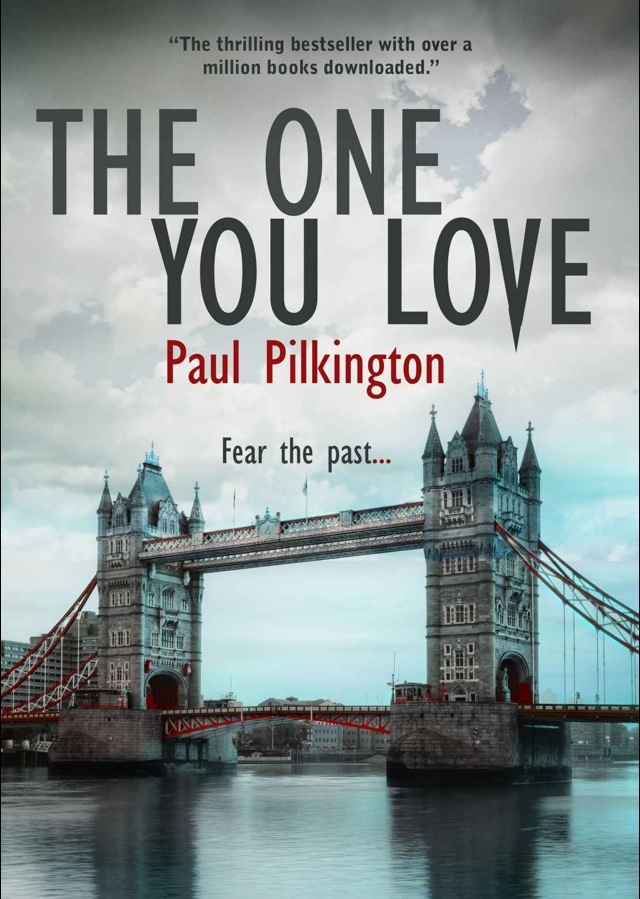
Paul PilkingtonTo see for myself, I recently read a book by Paul Pilkington, an independently published suspense mystery writer. Paul’s first novel, The One You Love, was made available on the Kindle store in July 2011 (see here). As of 30th January 2013, the book is number one on Amazon’s free download chart and has generated over 800 reviews on the site, many of them positive.

The One You Love revolves around Emma Holden, who comes with a troubled past and emotional baggage to boot. Two weeks before her wedding, her finance, Dan, has disappeared leaving a trail of suspicion and lies in his wake. Fast paced and action packed, this book raced along to a dramatic conclusion with plenty of twists and cliff-hangers along the way. It was interesting, well thought out and I didn’t have a clue who was behind the chain of increasingly mysterious events until the very end!

I do, however, have a few criticisms. There were a lot of central characters and I think one or two could have been cut back to minor parts without taking too much away from the story. While these characters were useful in illustrating potential avenues for the plot, the central thread of the story could have been more cohesive.

This book was all about the action, which I liked, but I would have preferred to have a bit more of a back story on the characters and their relationships with each other. In particular, Emma’s relationships with the men in the book were not examined in great detail and the reader is left to take things entirely at face value. There were also a couple of loose ends that I felt could have done with being tied up.

There’s no doubt that I enjoyed The One You Love – I read it in its entirety in just one sitting. However, the input of a publishing house would probably have helped to iron out the issues highlighted above and to turn a reasonably good book into a great one. Since it’s release, this book has been hovering steadily at the top of the download charts, but put it – in its current form – into the paid category at the same price point as books like Gillian Flynn’s Gone Girl, and I don’t think it would perform anywhere near as well.

Having said that, the success of ebooks like this just goes to show that if people have a story to tell, they should put themselves out there and tell it. Self-publishing has real potential to give authors an opportunity to break into the industry and I’ll definitely be looking to read more independently published ebooks in the future.

From page to screen

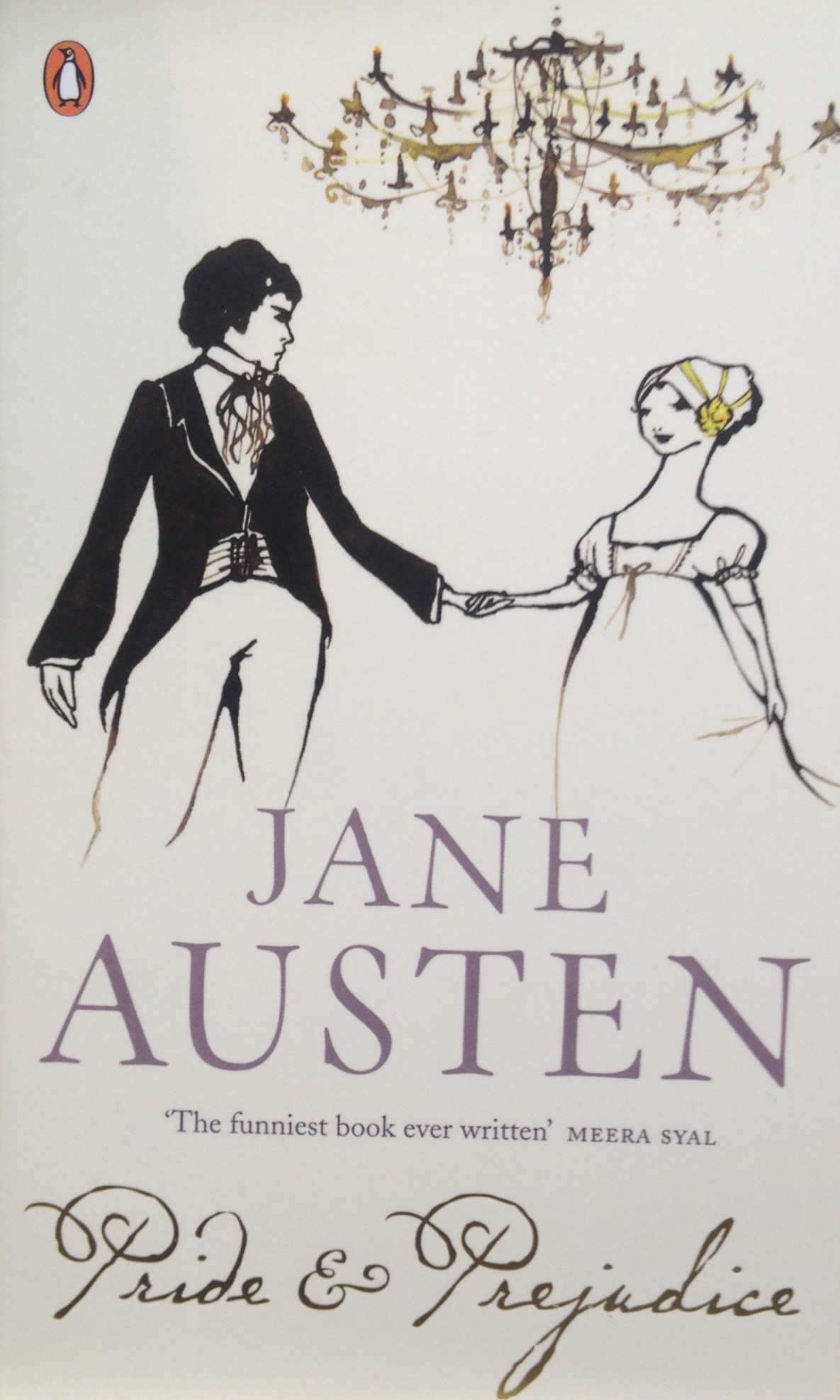
Pride and PrejudiceAll book lovers, everywhere, will have experienced on at least one occasion the immense frustration of watching a TV or big screen adaptation of a classic novel fail to do justice to the original.

But sometimes, one such adaption comes along that well and truly bucks the trend. Today marks the 200th anniversary of Jane Austen’s Pride and Prejudice, a novel that has enjoyed enduring popularity and continues to inspire countless adaptations on screen.

The majority of the time, I would fall firmly on the ‘books are best’ side. However, sometimes TV adaptations can prove particularly effective in making classic literature a bit more accessible and slightly less daunting. I know first-hand that having to study literature at school can sometimes have an adverse effect, probably from having to analyze novels rather than just being able to sit and enjoy them. As a result, I’ve got a shelf of novels that I always think I should read – The Moonstone, Middlemarch, and North and South just to name a few – but that always somehow seem to get passed over in favour of modern fiction.

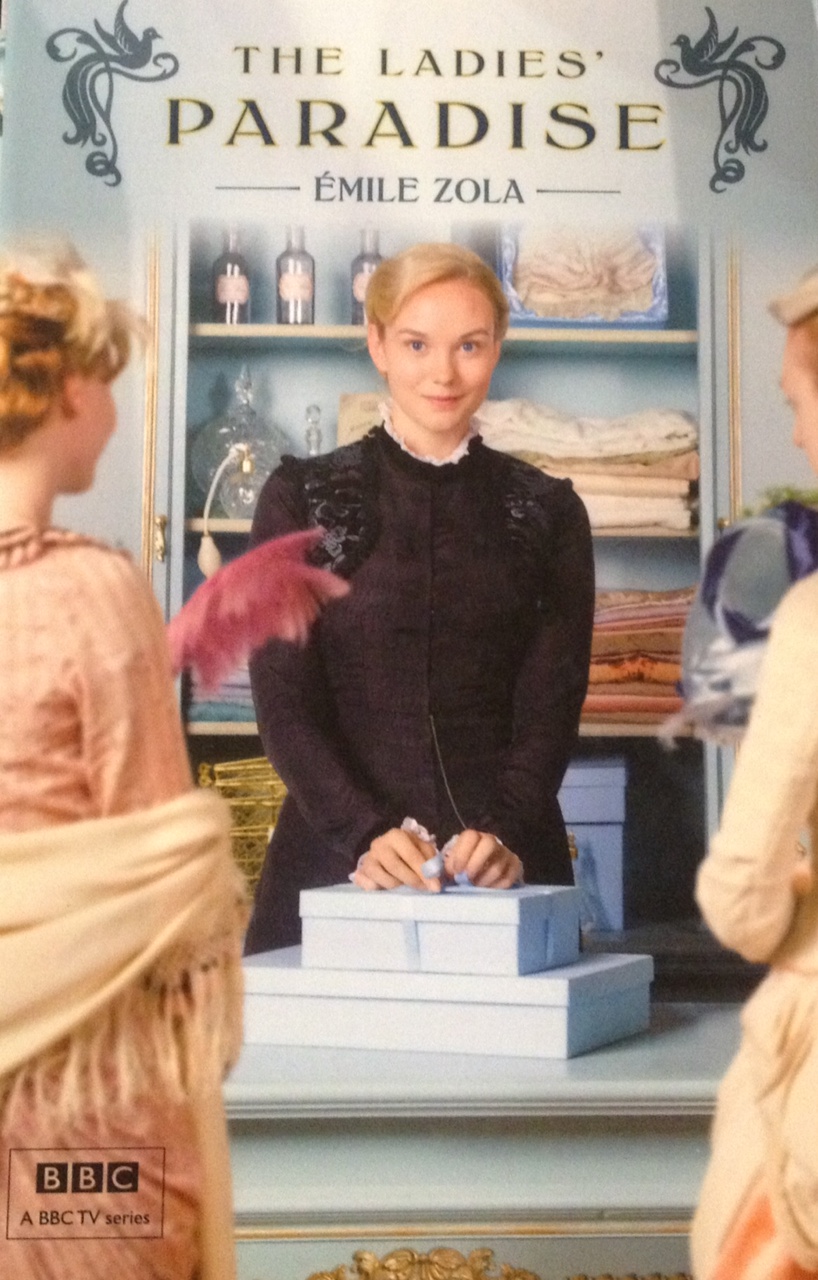
TV and film adaptations take classic novels from the schoolroom desk to the living room sofa, The Paradiseand maybe after watching an adaptation or two some people might be inspired to go and read a classic for themselves?

A recent Radio Times poll (here) voted the BBC’s 1995 TV mini-series was voted the best ever adaption of Jane Austen’s classic novel, which is probably down to the now infamous lake scene involving Colin Firth’s Mr Darcy! But it’s not only Austen that translated well from page to screen. From The Paradise, based on Emile Zola’s Au Bonheur des Dames, to Brideshead Revisited and the BBC’s Sherlock, it’s clear that literary dramas are here to stay

Everyone’s got a favourite adaption – so if there are any good ones you’d recommend, let me know!

Judging a book by its cover

The saying goes that you should never judge a book by its cover. However, in my experience, a book’s cover can reveal a lot about its contents and can be instrumental in its success.

It’s been reported that on average, it takes us only seven seconds to subconsciously judge a new acquaintance. Which leads to the question, why should it prove anything different with books?

I for one confess to doing this on a regular basis. If a book doesn’t feel right when I pick it up, the style of text doesn’t appeal or the image doesn’t draw me in, I’m immediately prejudiced against it. In fact, there’s a whole shelf of unread books from my to-be-read list sitting on my bookshelf that I continue to pass over for others.

It’s not just me that feels this way. Take Charlotte Rogan’s The Lifeboat for example. Read the reviews and it’s clear that bloggers and critics everywhere have very different opinions of this novel, but one thing that’s generally agreed upon is that the cover is truly lovely. Some even state it as their reason for buying the book in the first place.

The thick matt finish and the raised embossed print create a tactile finish to the book and distinguish it from its competitors on the shelf. The author and title are clearly displayed and the dark, stormy cover image visibly hints at the subject matter addressed within its pages. The blurb effectively summarises the plot and provide a degree of intrigue, as do the testimonials from respected industry critics and authors.

There’s no way around it. The cover of a book is the first thing we see and in my experience as a reader, a good design can be a massive influence on a reader’s initial reaction to a book. In a world that’s increasingly moving towards the Internet, e-readers and the such like, this is arguably more important than ever. Anyone can download a book from the Kindle store, but if a cover is beautiful and interesting then – just maybe – more people will invest into a physical copy.

But although a good cover design is important, it’s what’s inside that counts the most. A great story that generates great reviews and a good social media buzz is always going to do well!

100 Books in a Year Reading Challenge 2013


This year, I’m planning on joining in with Book Chick City’s mammoth reading task – more details can be found here  – to read 100 books in 2013. That’s on average over 8 books a month, which if I was on holiday by a pool all year I’d have no problem with. However, fitting this round work and other time commitments might make for more of a challenge! Still, I’m going to give it my best shot.

Hot on my wish list at the moment are The Name of the Wind by Patrick Rothfuss, Elijah’s Mermaid by Essie Fox, The Nightmare by Lars Keplar and A Small Circus by Hans Fallada. I’ll probably try and slot some classics in there along the way as well. Anna Karenina has been on my list for a while as has War and Peace, but given the time frame allowed that might have to wait a while yet!

If you’d like to join in, click on the link above. The rules are simple. Any 100 books from 1st January 2013 – 31st December 2013. I’ll be sure to post regular updates of my progress!