(Tor, September 2011)
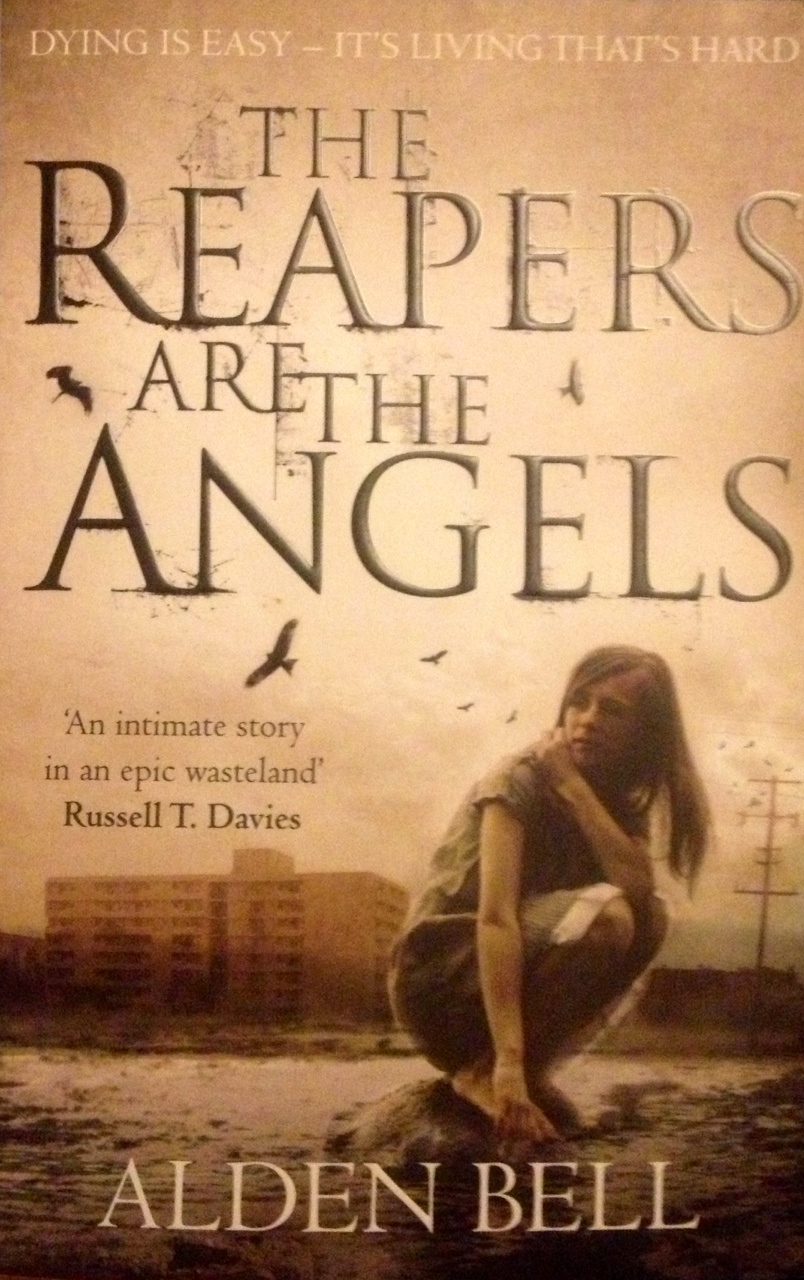
When I started reading The Reapers are the Angels, it was hot off the back of the season finale of The Walking Dead and I was suffering from acute zombie drama withdrawal symptoms. I’d also read a quote that said this book was perfect for fans of Justin Cronin’s The Passage – which ranks as one of my all time favourite dystopian fiction novels – so I was expecting something equally mind-blowing and action packed.
 For those who haven’t heard about this book, it’s the story of Temple. Fifteen years old, a loner and a survivor, Temple wanders the country with no destination, only a will to live. Along the way, she runs into other survivors, one of whom becomes her sworn enemy. Driven by a conviction that killing her is the only thing that makes sense, he will stop at nothing to do so. In trying to evade her pursuer, Temple comes across a man named Maury. He’s helpless and vulnerable, and Temple makes a pact with herself to deliver him back to his family, whatever it takes.
As it turned out, this novel was actually quite different from what I was expecting. For a start, it was a lot slower in pace. The zombies, or ‘meatskins’ as they’re known, were used more as a device to set the scene for the action than as a central part of the story. That’s where my main problem lay with this novel. It is described as post-apocalyptic world, however none of the characters we meet seem to struggle for supplies or shelter, even when they’re out in the big bad open. And despite the fact that zombies have been roaming the earth for near on twenty years, there is still electricity, working GPS device and fully functional abandoned petrol stations stocked with food.
The writing style of The Reapers are the Angels was really different and I have to admit that it took me a little while to get used to it. There’s no real separation of dialogue from the rest of the text, which gives the impression that the reader is a passive witness to Temple’s stream of consciousness. By the end of the book, however, I thought it really worked and it really contributed to the whole isolated and estranged feel of the book.
The characters were well developed and well rounded, but there was a little too much of a focus on the theme of heavenly salvation and redemption for my personal liking. That said, I can see why the author has chosen to go down this route, and it was interesting to see his interpretation of how certain people would react under very difficult circumstances and in the absence of any real hope.
Overall, I didn’t love it, but I did think it was a good and enjoyable read. I know that others have said they weren’t keen on the ending, but I actually thought it worked really well – it’s refreshing to read a book in this genre that works as a standalone novel without spending too much time building up to a sequel.
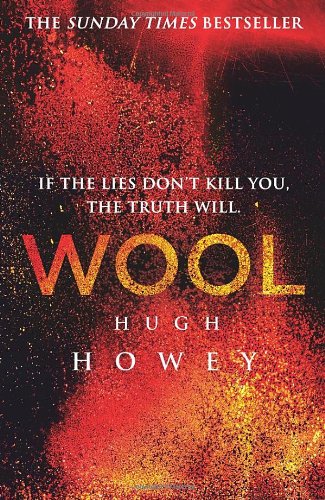 In Hugh Howey’s breakout self-published fiction novel, generations of people live and die inside a giant underground silo. Their only glimpse of the outside world comes through a dirty camera lens. The worst punishment is to be put outside, where the air is so toxic that people are overcome by it in minutes.
 The Stacked Shelf