From page to screen

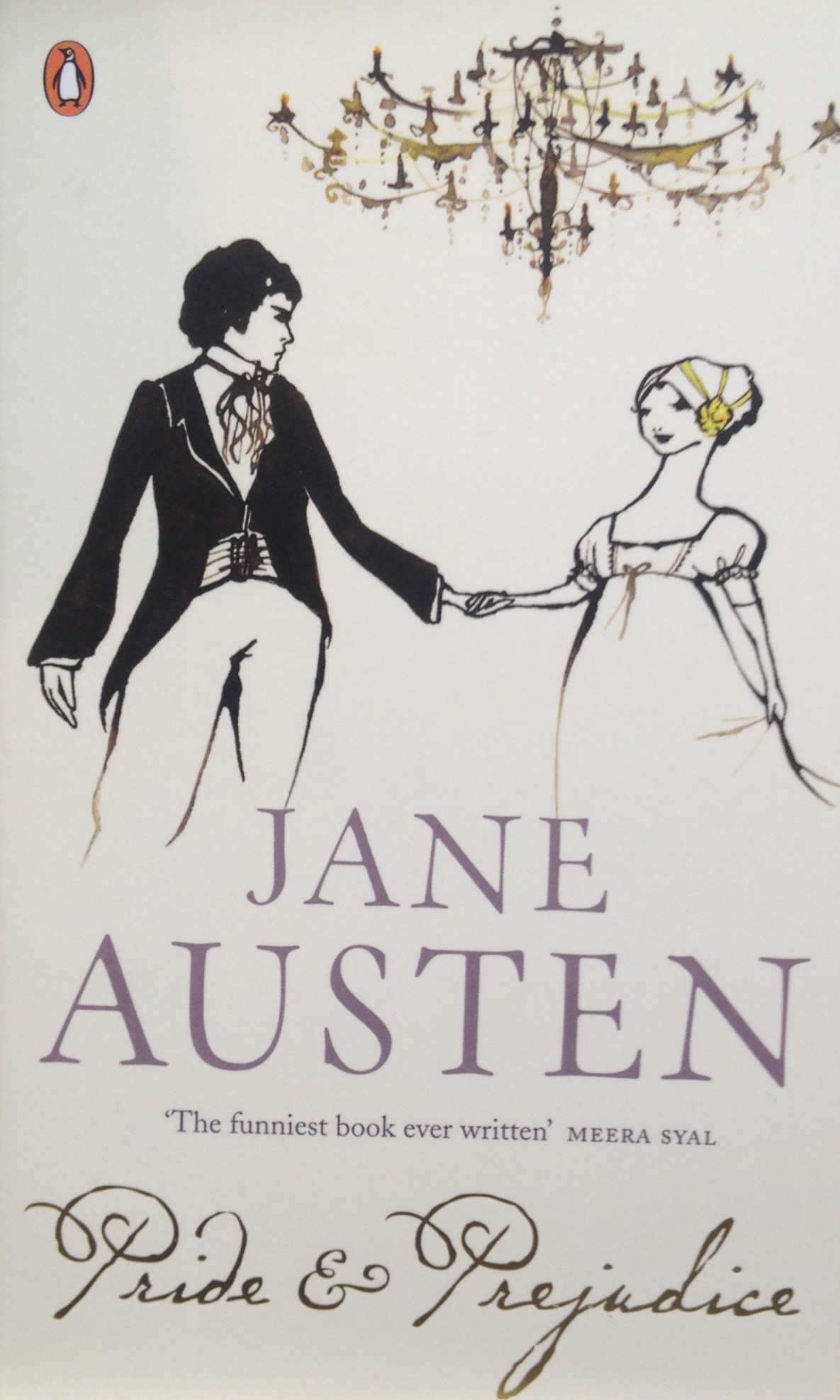
Pride and PrejudiceAll book lovers, everywhere, will have experienced on at least one occasion the immense frustration of watching a TV or big screen adaptation of a classic novel fail to do justice to the original.

But sometimes, one such adaption comes along that well and truly bucks the trend. Today marks the 200th anniversary of Jane Austen’s Pride and Prejudice, a novel that has enjoyed enduring popularity and continues to inspire countless adaptations on screen.

The majority of the time, I would fall firmly on the ‘books are best’ side. However, sometimes TV adaptations can prove particularly effective in making classic literature a bit more accessible and slightly less daunting. I know first-hand that having to study literature at school can sometimes have an adverse effect, probably from having to analyze novels rather than just being able to sit and enjoy them. As a result, I’ve got a shelf of novels that I always think I should read – The Moonstone, Middlemarch, and North and South just to name a few – but that always somehow seem to get passed over in favour of modern fiction.

TV and film adaptations take classic novels from the schoolroom desk to the living room sofa, The Paradiseand maybe after watching an adaptation or two some people might be inspired to go and read a classic for themselves?
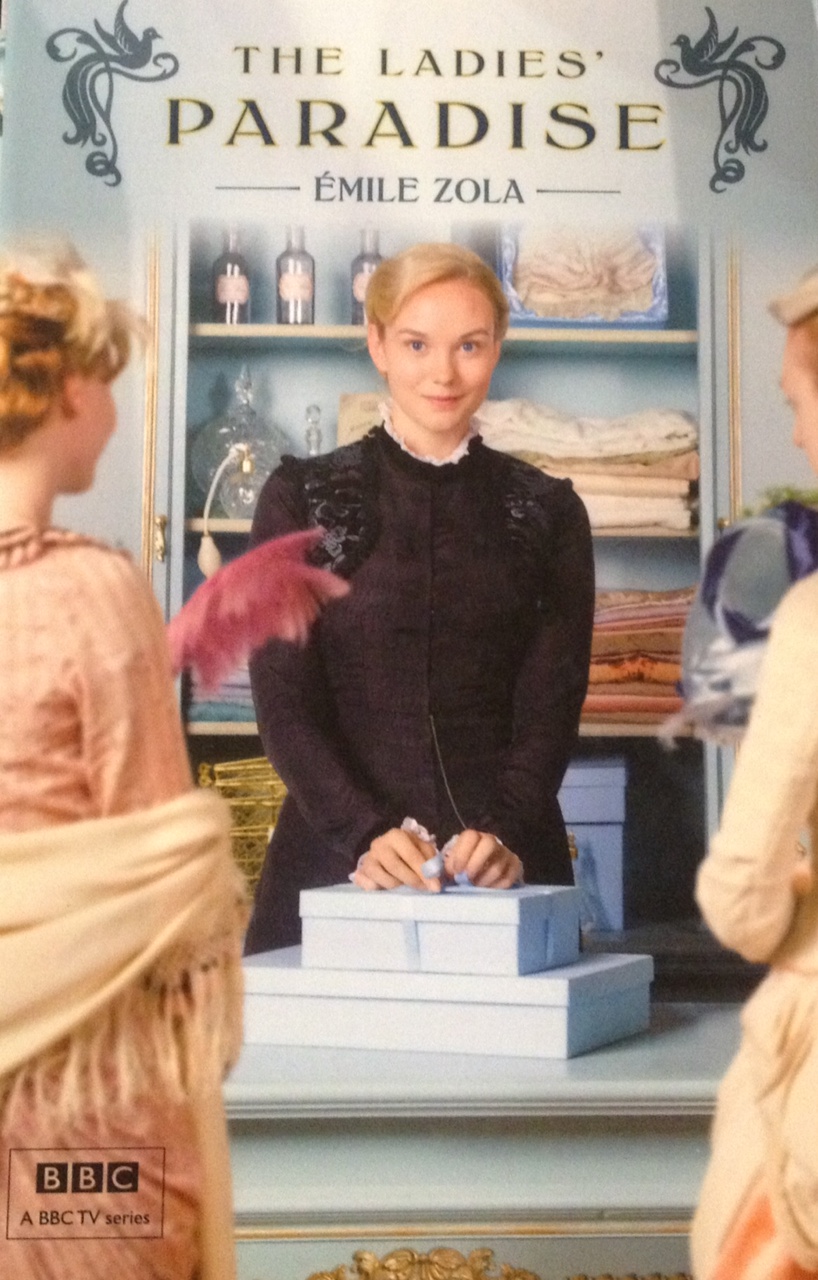
A recent Radio Times poll (here) voted the BBC’s 1995 TV mini-series was voted the best ever adaption of Jane Austen’s classic novel, which is probably down to the now infamous lake scene involving Colin Firth’s Mr Darcy! But it’s not only Austen that translated well from page to screen. From The Paradise, based on Emile Zola’s Au Bonheur des Dames, to Brideshead Revisited and the BBC’s Sherlock, it’s clear that literary dramas are here to stay

Everyone’s got a favourite adaption – so if there are any good ones you’d recommend, let me know!

The Unlikely Pilgrimage of Harold Fry by Rachel Joyce

The concept behind Rachel Joyce’s The Unlikely Pilgrimage of Harold Fry is beautifully simple, yet at the same time it’s a book that is packed with emotion, self-doubt and heartache that’s sure to hit a nerve with every reader.

It begins when Harold Fry receives a letter from an old colleague and friend informing him that she has been diagnosed with terminal cancer. What starts as a trip to the nearest post-box to send a letter expressing his condolences turns into an epic journey across the country. Without a map, a change of clothes or a mobile phone Harold’s walk is dependent completely on his instincts, the kindness of strangers and the strength of his belief in the fact that if he keeps on walking, Queenie will keep on living.

Harold’s walk seems so simple on the outside. As he describes it, it’s just putting one foot in front of the other. But as he attempts to walks from Cornwall to Berwick-upon-Tweed, Harold is forced to confront the tragedies of his past, his estrangement from his wife and growing detachment from the world.

Left behind, his wife Maureen is also battling her own demons as she struggles with feelings of repressed loss and anger. Harold’s walk and the space left by his absence, prompts her own personal journey.

The bit I loved most about this book was how the two central characters somehow, against the backdrop of everything that’s happened in their lives, managed to find a way to rediscover their love for each other.  It’s an intense and emotional read and it really drives home the fact that it’s never too late to change.

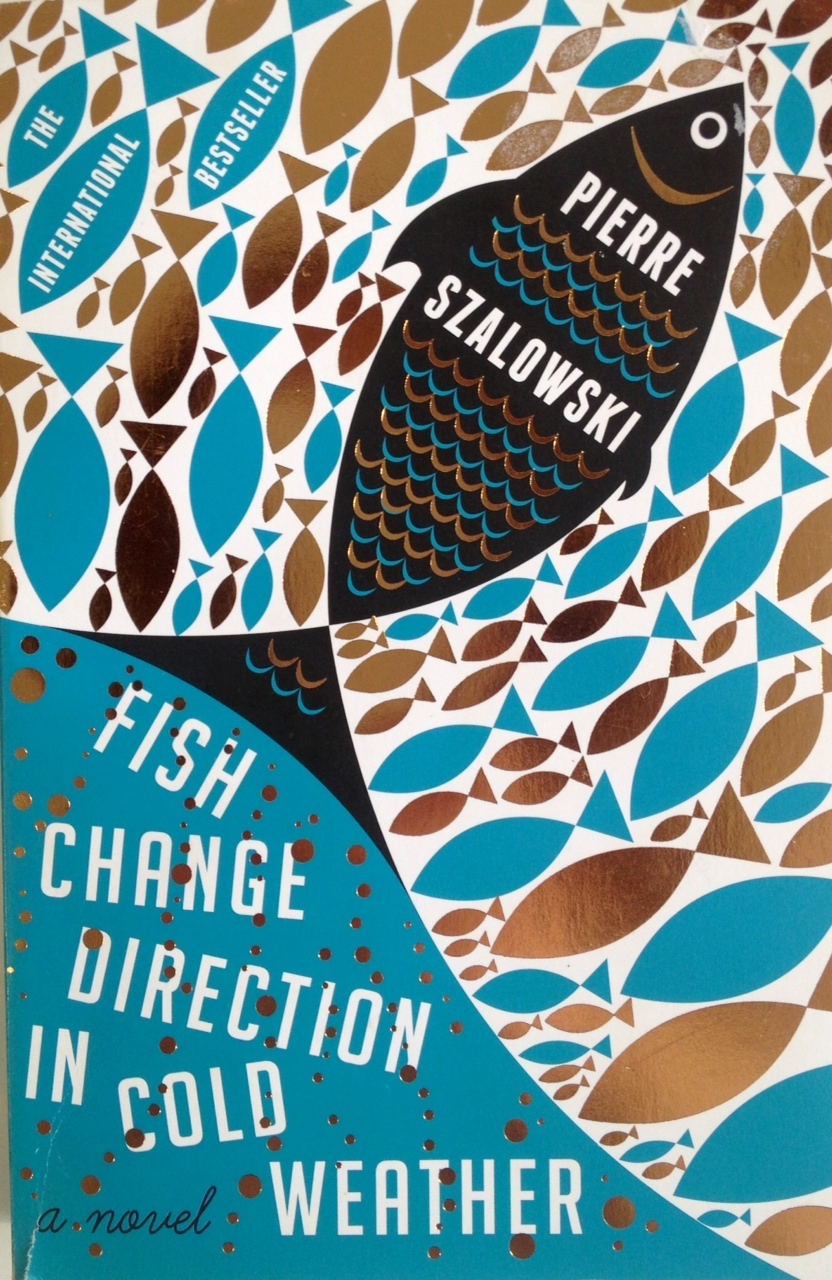
Review of Pierre Szalowski’s Fish Change Direction in Cold Weather

More of a delightful fairytale than a novel, Pierre Szalowski’s Fish Change Direction in Cold Weather (or FCDICW from here on out – it’s bit of a mouthful!) delivered a real feel good factor.

Fish change directionI recently wrote about my bad habits when it came to judging a book by its cover (the link to this article is here), and I have to admit that this was one such case. So when I opened the book and started to read I was crossing my fingers that it would live up to expectations. I have to say, it didn’t disappoint.

FCDICW focuses on a group of neighbours in a street in Montreal whose lives and relationships are changed irrevocably after a freak ice storm forces them together in more ways than one. I won’t say any more for fear of giving away spoilers, but from the very first page it’s obvious that this book is going to be one with a happy ending.

At just under 250 pages, it’s a relatively quick read and the characters admittedly aren’t developed in too much depth. However, for me, this really added to the general feeling created by the book that I was observing the characters from a distance or peeking in on their lives through an icy window. This emotional distance from the central protagonists (we never even find out the name of the narrator) works well with the structure and tone of the book, however, it meant for me that FCDICW probably won’t make it into my list of all-time greats.

Despite this, I did really enjoy reading it. I’ll be keeping it on my bookshelf to lend to others if they need a quick pick me up, and I think it’s probably one I’ll re-read again in the future. It’s a perfect choice for cold, dark winter nights when you want to feel cosy and comforted, inside and out!

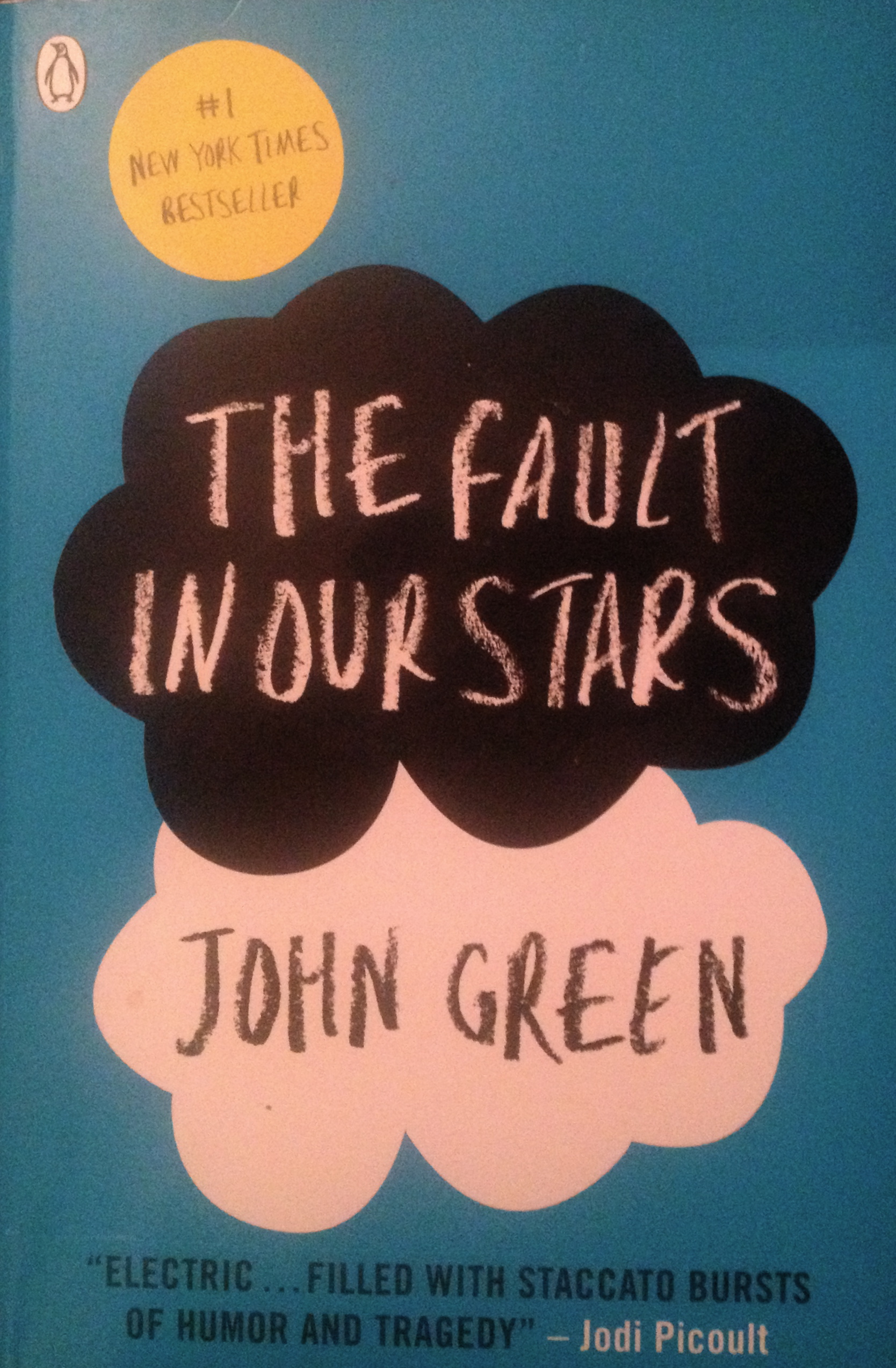
A review of John Green’s The Fault in Our Stars

It’s been a while since a book made me laugh and cry to such an extent as John Green’s The Fault in Our Stars. Usually, I find books dealing with illness a bit off-putting and frankly a little depressing. However, The Fault in Our Stars managed to tackle the topic in a way that was fresh, funny and yes, incredibly touching.

Narrated by 16-year-old terminal cancer patient Hazel, the novel is a classic boy meets girl structure with a twist. The reader experiences falling in love for the first time through the narrator’s eyes. Hazel’s story is a very real account of living with a terminal illness and the author certainly doesn’t shy away from controversial or potentially upsetting topics.

I literally couldn’t put this book down. I finished it in two sittings, and it’s worth mentioning that the only reason it wasn’t just the one is because I had to go to work. For me, the most emotional part of this book wasn’t the love story between the two star crossed lovers embodied by Hazel and Augustus, it was the way that Hazel and her parents deal with her terminal diagnosis.

I cried, I laughed out loud and I was so engrossed that by the end, the characters felt real to me. The Fault in Our Stars has already attracted great reviews from critics and I’m 100% there with them. I’d definitely recommend it.

A review of Half of a Yellow Sun by Chimamanda Ngozi Adichie

Chimamanda Ngozi Adichie’s ‘Half of a Yellow Sun’

Set in 1960’s Nigeria, Chimamanda Ngozi Adichie’s Half of a Yellow Sun gives a heartbreaking and moving account of civil war from the points of view of a group of people experiencing conflict in a very different ways.

The reader experiences the Nigerian Civil War through the eyes of Olanna, a privileged and educated young woman, Ugwu, a houseboy for a university, and Richard, a white Englishman living in Nigeria. The lives of these three central characters, each of whom effectively represent different social, economic and ethnic groups, are intrinsically linked, although the horrors of war will tear them apart and test their loyalties to the limits

Before reading Half of a Yellow Sun, I have to admit I knew very little about Nigerian history and culture. I actually took a break after the first few chapters to research the country as well as its languages and its politics. This massively increased my understanding and made it much easier to concentrate on the main plot.

I’m only ashamed that I knew so little about the conflict in the first place!

The novel doesn’t shirk on details or shy back from difficult or controversial topics. The thread of the story that follows Ugwu in particular was one that I found actually quite hard to read. That said, I was utterly gripped from page one. I really empathized with all the characters and couldn’t stop imagining how I would react if I found myself in a similar situation.

The author writes beautifully and communicates strong, recognizable and very real emotions through simple and seemingly effortless prose. I haven’t read any other books by Chimamanda Ngozi Adichie but I definitely will in the future, and I wouldn’t hesitate to whole-heartedly recommend Half of a Yellow Sun to anyone.

A review of ‘The Night Circus’ by Erin Morgenstern

Erin Morgenstern’s The Night Circus

Sometimes when you pick up a book you just know that you’re not going to be able to put it down. Erin Morgenstern’s The Night Circus was one such book for me.


Essentially, the novel tells the story of two competing magicians and their protégé’s Celia and Marco. Against the backdrop of Le Cirque des Reves (The Circus of Dreams) these two trainees are pitted against each other in an elaborate challenge that spans years and binds the two young protagonists together in more ways than one. Competing to out-do each other with displays of increasingly brilliant magic, neither Celia nor Marco know how or when the contest will end. All they know is that there can only be one winner.

The circus, with its wonderfully individual and meticulously described signature clock and its individual tents with fantastical names like the Pool of Tears, appeals to all the senses. Every detail is recorded with such brilliant imagination and detail that the reader is transported there through the pages. Add to that the fact that the circus only appears at night, and the whole book feels as if you’ve entered a magical (quite literally!) dream world. In the end, the circus itself is central to the survival of Celia and Marcus, who battle to save their love against all odds and against the will of magic itself.

I’m actually jealous of all those who have yet to read this as I’d love to do it all over again. I’ve been searching for another book like this but as yet I’ve been running up against a brick wall. Any suggestions from other Erin Morgenstern lovers would be more than welcomed!